

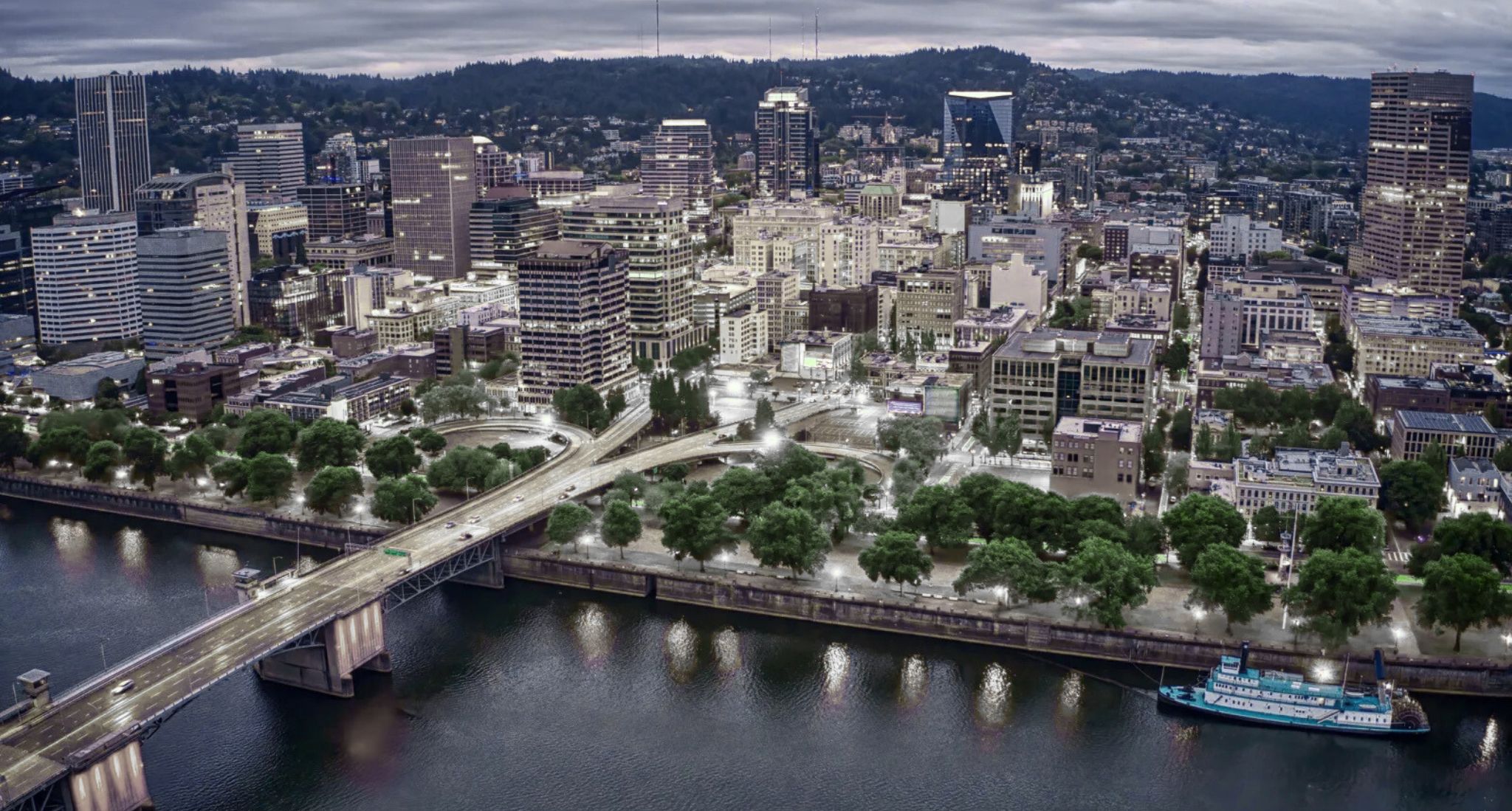
PORTLAND, OR — The cost of living in Portland, Oregon, remains one of the most discussed topics among residents in 2026, as everyday expenses continue to shape how people live, work, and plan their future in the city.
While Portland is still considered more affordable than cities like San Francisco or Seattle, many locals say the gap has narrowed — and in some cases, it no longer feels significant.
“It used to feel like Portland was the ‘cheaper alternative,’” said one longtime resident. “Now it just feels like a different version of expensive.”
📊 Average Cost of Living in Portland (2026)
As of 2026, the cost of living in Portland varies depending on lifestyle, but most residents fall within these monthly ranges:
- Housing (rent): $1,400 – $2,400
- Utilities: $150 – $250
- Groceries: $350 – $600
- Transportation: $100 – $300
- Health insurance & medical: $200 – $500+
👉 Estimated monthly total (single person):
$2,300 – $3,800
For families, costs can rise significantly depending on childcare, housing size, and commuting needs.
Related News: Portland Rent Prices 2026: What Renters Are Actually Paying Right Now
🏠 Housing Remains the Biggest Expense
Housing continues to be the primary driver of cost of living in Portland.
Even with some stabilization in rent prices, many residents say housing still takes up the largest portion of their income.
Neighborhood choice plays a major role:
- Central Portland (Pearl, Downtown): higher cost, more convenience
- Inner SE / NE: high demand, moderate-to-high prices
- Outer areas: more affordable but less accessible
Some renters report that advertised prices don’t always reflect the full monthly cost once fees and utilities are included.
🛒 Everyday Expenses Are Adding Up
Beyond rent, everyday costs are also increasing.
Groceries, dining, and basic services have all seen gradual price growth over the past few years.
“I don’t think it’s one thing,” said a local resident. “It’s everything combined. Coffee, groceries, going out — it all adds up faster than it used to.”
Eating out, in particular, has become noticeably more expensive, with many casual meals now costing what used to be considered a mid-range dining experience.
🚗 Transportation Costs
Transportation costs in Portland depend largely on lifestyle.
Residents who rely on public transportation or biking tend to spend less, while those commuting by car face additional costs:
- Gas
- Parking fees
- Insurance
- Vehicle maintenance
Some drivers say parking and city fees have become an increasing part of their monthly expenses, especially in busier areas.
🌧️ The “Hidden” Cost of Living
Beyond measurable expenses, many residents describe a less obvious aspect of living in Portland — the overall “lifestyle cost.”
This includes factors like:
- Frequent dining out due to weather or convenience
- Subscription-based services and memberships
- Higher spending on entertainment and local experiences
There’s also a common sentiment among residents that simply maintaining a certain quality of life in Portland requires more spending than expected.
“It’s not just rent,” one resident said. “It’s the whole ecosystem of living here.”
📉 Is Portland Still Affordable?
Compared to larger West Coast cities, Portland is still considered moderately priced — but for many locals, that distinction feels less meaningful in 2026.
Income growth has not always kept pace with rising expenses, making affordability a challenge, especially for newcomers or those early in their careers.
Some residents are choosing to relocate to nearby cities or suburbs where costs are lower, while others are adjusting their budgets and lifestyle expectations.
🧾 What Residents Are Doing to Cope
To manage the cost of living, Portland residents are:
- Sharing housing or living with roommates
- Reducing discretionary spending
- Working remotely to avoid commuting costs
- Exploring cheaper neighborhoods or nearby cities
Despite the challenges, many say they are staying for reasons beyond cost — including community, culture, and lifestyle.
📌 The Bottom Line
The cost of living in Portland, Oregon in 2026 reflects a city that remains attractive but increasingly expensive.
While it may still offer relative value compared to larger metro areas, residents say the difference is no longer as clear — and managing everyday expenses requires more planning than before.