

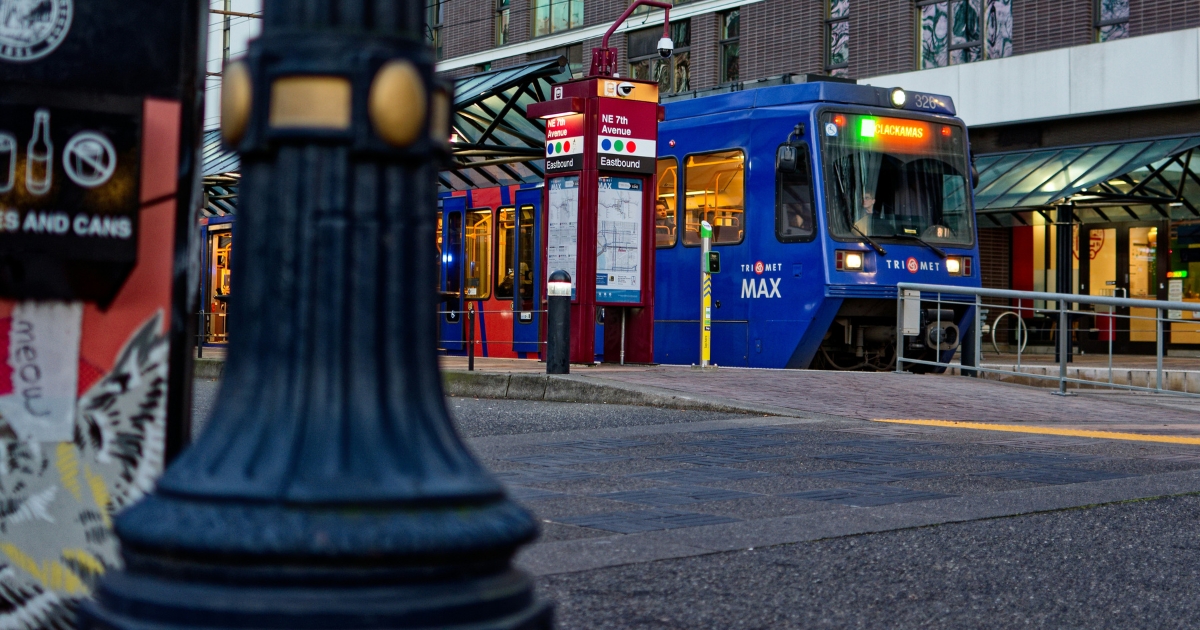
PORTLAND, OR — In a policy update city officials described as “empathetic, overdue, and frankly obvious”, Portland’s public transit system has officially added “emotional exhaustion” to its list of valid rider explanations, instructing bus and MAX operators to nod respectfully when passengers explain they’re simply not okay today.
The change was quietly implemented this week through an internal memo titled Revised Rider Interaction Guidelines: Feelings Edition, distributed to TriMet employees alongside updates about rain delays, bike etiquette, and how long is socially acceptable to wait while someone finishes adjusting their tote bag.
According to the memo, drivers are no longer expected to challenge, question, or visibly process emotional explanations offered by riders. Instead, they should acknowledge them with a neutral nod, a soft “I get it,” or silence that feels supportive without committing to anything.
“Sometimes the Fare Is Just Too Much”
Transit officials clarified that the policy does not eliminate fares, but rather reframes accountability.
“This isn’t about free rides,” said a city transportation spokesperson. “It’s about recognizing that sometimes people have the money, the ticket, and the intent — but not the emotional bandwidth.”
Examples of acceptable explanations now include:
- “I’m emotionally exhausted.”
- “I just came from a hard conversation.”
- “Honestly? Everything.”
- “I live here.”
Drivers have been instructed not to ask follow-up questions, offer solutions, or accidentally initiate small talk that could spiral into vulnerability.
Training Drivers to Nod Correctly
As part of the rollout, transit operators received a mandatory 20-minute online training titled Respectful Acknowledgment Without Engagement.
The module covers:
- The difference between a validating nod and a skeptical nod
- Eye contact duration (2–3 seconds, no more)
- When to sigh quietly versus not at all
- How to resume driving without appearing emotionally dismissive
“One operator asked if a double nod was okay,” said a training facilitator. “We said no. That reads as patronizing.”
Early reports suggest most drivers adapted quickly.
“I already nod at people explaining their lives to me,” said a bus driver on the 14-Hawthorne route. “Now it’s just sanctioned.”
Riders Respond With Measured Gratitude
Across Portland, riders expressed cautious approval.
In Nob Hill, one passenger said the policy made her feel “seen, but not perceived.”
In Lents, another rider admitted he still paid his fare but appreciated not having to justify his tone.
“I didn’t want a conversation,” he said. “I wanted permission to exist quietly on public transit.”
Several riders in Southeast Portland confirmed they rehearsed their emotional explanations in advance but ultimately chose silence, citing personal growth.
Derek Mulligan Is Not Okay With This
Not everyone supports the change.
Derek Mulligan, a self-described Community Advocate and frequent commenter at public forums, voiced strong opposition during a hastily organized press gathering near Pioneer Courthouse Square.
“This is a slippery slope,” Mulligan said, speaking uninterrupted for 11 minutes. “First emotional exhaustion, then what? Existential malaise? Seasonal dread? Mild disillusionment with capitalism?”
Mulligan, visibly outraged and thoroughly verbose, argued that allowing feelings into transit policy undermines civic structure.
“Public transportation should be about rules,” he continued. “Not vibes. Not moods. Not whether someone journaled this morning.”
At one point, Mulligan paused to clarify that he supports mental health “in theory,” but believes buses should remain emotionally neutral spaces.
Witnesses reported several attendees emotionally exhausted halfway through his statement.
City Officials Say This Is Just Portland Being Portland
Urban policy experts say the change reflects Portland’s long-standing tendency to formalize unspoken social contracts.
“People here already explain themselves emotionally,” said a local sociologist. “This just saves everyone time.”
Officials emphasized that the policy does not require drivers to absorb emotional labor.
“The nod is symbolic,” one source said. “It acknowledges reality without absorbing it.”
Early internal data suggests the change has not slowed routes, though average boarding pauses increased by approximately three seconds in neighborhoods known for introspection.
What Comes Next for Transit Etiquette
City Hall sources say additional updates are being considered, including:
- A designated quiet crying section on longer routes
- Official guidance on eye contact during collective silence
- Clarification on whether sighing counts as communication
For now, transit officials say the focus is on maintaining service while honoring the emotional ecosystem of the city.
As one line from the memo concludes:
“We are moving people, not fixing them.”