

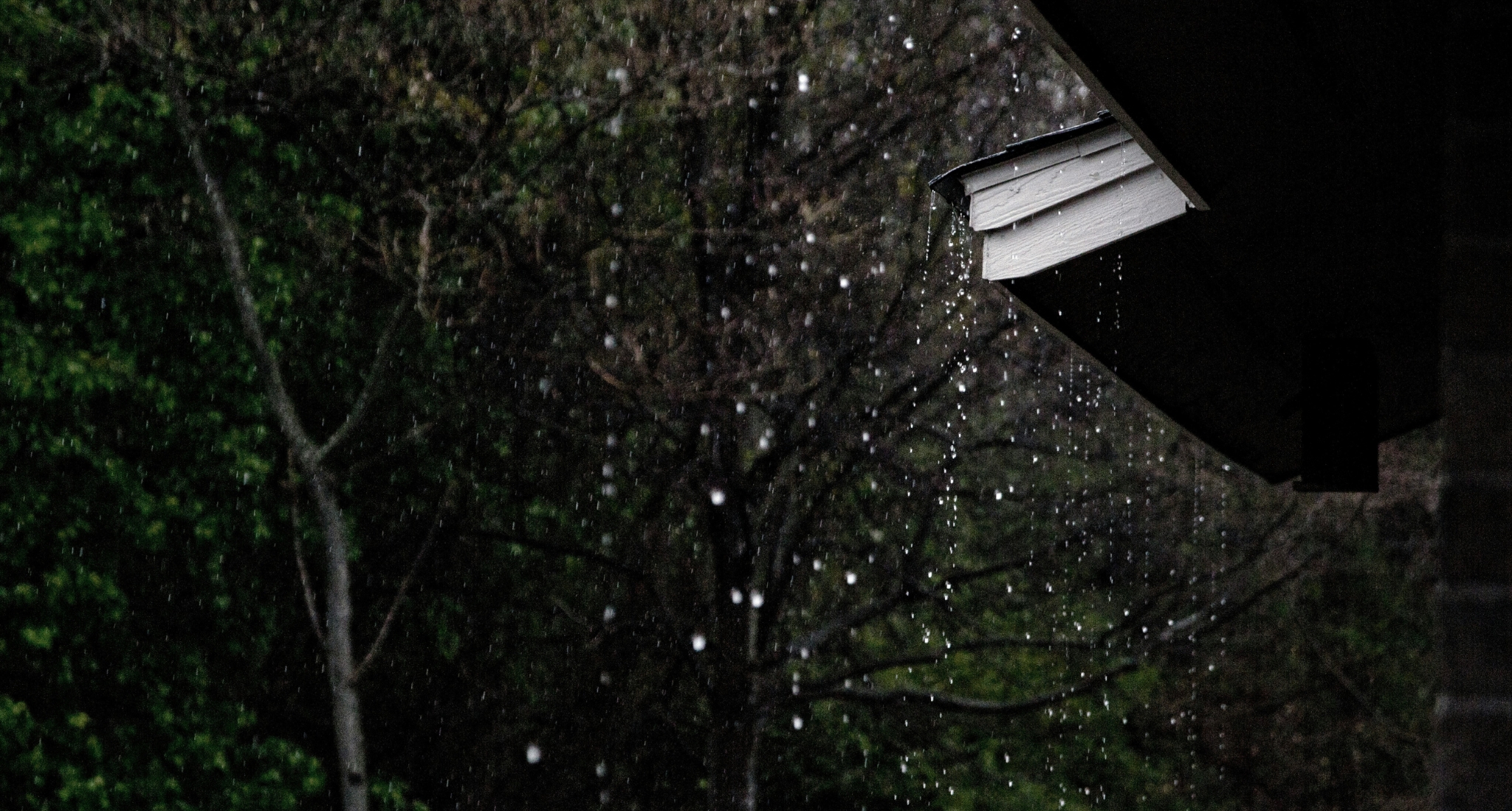
PORTLAND, OR — Acknowledging decades of unresolved civic confusion, the City of Portland has officially formed a Weather Classification Committee tasked with determining whether today’s conditions qualify as rain, or merely something emotionally adjacent to it.
The committee will meet weekly in a windowless conference room at City Hall to debate mist, drizzle, fog-adjacent moisture, and what members are calling “emotional precipitation” — a category defined as dampness that feels intentional but resists measurement.
City officials say the move is about clarity.
“We owe residents consistency,” said a spokesperson while standing outside in a light, persistent dampness that no one present was willing to name. “People need to know whether to complain, deny, or quietly accept.”
A Longstanding Civic Question, Finally Addressed
For years, Portlanders have insisted it’s “not really raining” while simultaneously being completely wet. The contradiction has fueled disputes at bus stops, outdoor cafés, and group chats attempting to decide whether plans should be canceled.
The newly formed committee aims to resolve these ambiguities by issuing official daily determinations, updated hourly if necessary.
According to the city charter amendment that created the group, weather must now be evaluated not just by meteorological data, but by how it feels emotionally and socially.
What the Committee Will Evaluate
The committee’s mandate includes categorizing conditions such as:
- Mist that accumulates over time
- Drizzle that feels passive-aggressive
- Fog that becomes damp if you think about it
- Moisture that doesn’t show up on radar but ruins shoes
Members will also consider contextual factors, including:
- Whether residents still chose to bike
- How many hoods are up versus hats
- If anyone said “this is good for the plants”
Rain, officials clarified, is no longer a purely physical phenomenon.
Emotional Precipitation Enters the Record
Perhaps the most debated addition is the formal recognition of emotional precipitation.
Defined in preliminary documents as “a persistent atmospheric condition that contributes to introspection without offering relief,” emotional precipitation may include days when it’s technically dry, but everyone feels damp anyway.
“If people sigh collectively, that matters,” one draft guideline reads.
Committee members are expected to assess mood indicators, including café occupancy, average walking speed, and the frequency of statements beginning with “I don’t mind the rain, but…”
Meetings Will Be Long and Thorough
The committee consists of city staff, local experts, and at least one person who owns three rain jackets for different intensities.
Meetings are expected to last several hours, with agendas covering:
- Review of satellite data
- Testimony from residents who “felt rain”
- Historical comparisons to similar days in 2009
- Debate over whether umbrellas were socially acceptable
Observers say early discussions have already stalled over the definition of light rain.
“We’re not rushing this,” said one member. “Weather takes time.”
Neighborhoods Already Responding Differently
In Southeast Portland, residents expressed cautious optimism, saying official clarification could finally settle arguments between roommates.
In North Portland, several people said they would continue using personal judgment regardless of the ruling.
Downtown, office workers reportedly checked the weather determination, nodded, and then complained anyway.
In Mount Tabor, one resident said she supports the committee but worries about overreach.
“Some days are meant to stay undefined,” she said, adjusting her hood without fully committing to it.
Businesses Welcome the Guidance
Local businesses say the decision could bring much-needed clarity.
Café owners noted confusion around whether outdoor seating should be considered optimistic or irresponsible. Event planners expressed hope for clearer language than “rain-adjacent.”
Retailers selling rain gear are monitoring the situation closely.
“If the city officially declares something ‘not rain,’ that affects sales,” said one shop owner. “But honestly, people will buy another jacket anyway.”
Critics Say Portland Is Overthinking It, As Usual
Not everyone supports the initiative.
Some critics argue the city should focus on infrastructure rather than atmospheric semantics.
“This is ridiculous,” said one resident, moments before engaging in a ten-minute explanation of why today’s weather was “different from rain.”
City officials responded by noting that Portland has a long tradition of formalizing informal discomfort.
“This is what we do,” one council aide said. “We give structure to vibes.”
What Happens Next
The committee’s first official determination is expected later this week, pending consensus.
Early drafts include classifications such as:
- Rain
- Not Rain
- Kind of Rain
- Rain, But Don’t Say That
- Emotionally Yes, Technically No
The city plans to publish findings on its website and encourage residents to “respect the designation, even if they disagree.”
As one sentence in the founding document concludes:
“Weather is shared experience, not just data.”
Residents are advised to check the ruling before reacting.