

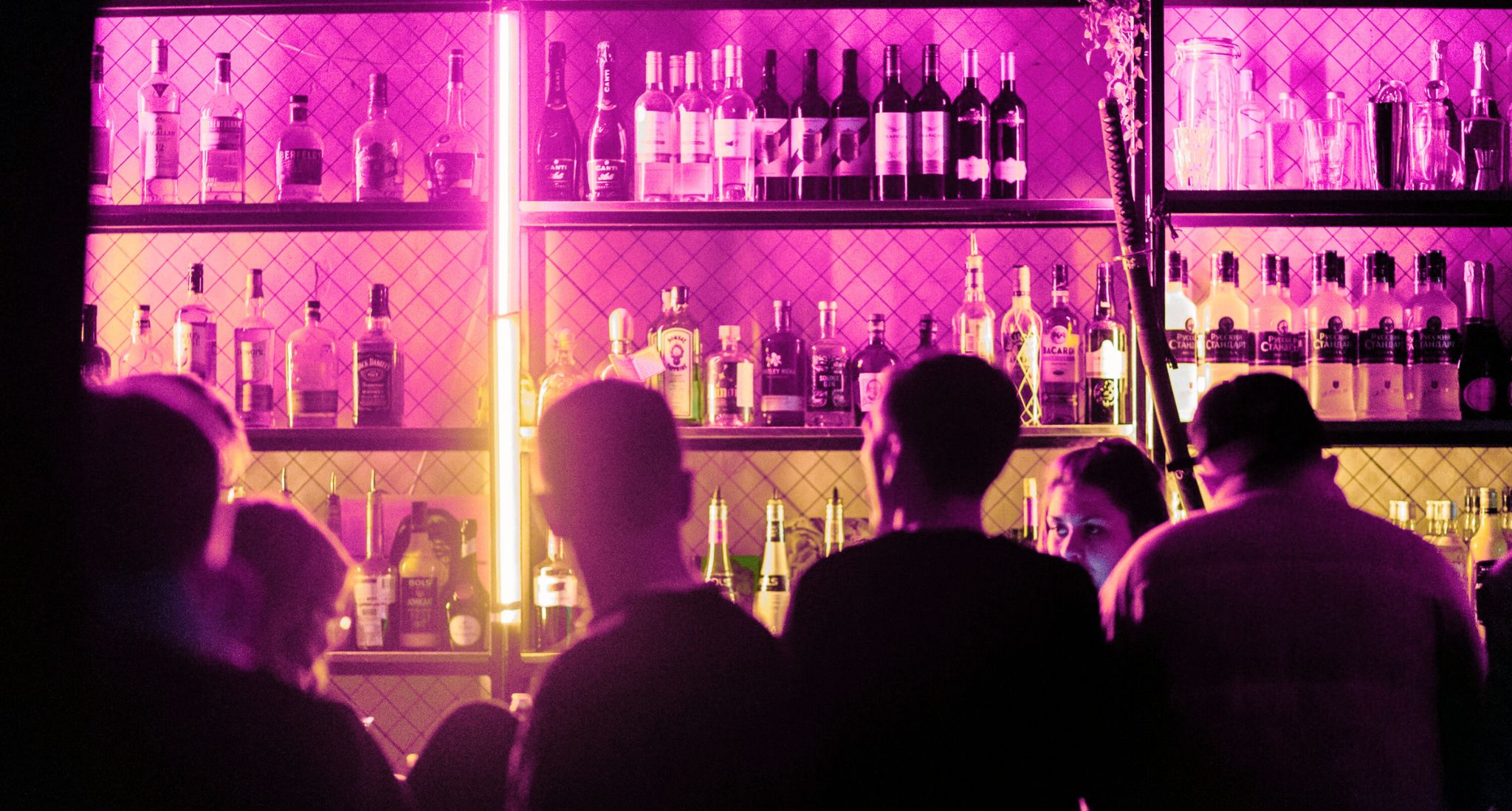
PORTLAND, OR — A small Portland bar with a deliberately lowercase name and no visible logo has unintentionally ignited a citywide and online debate after introducing a new internal policy that staff insist is “not a big deal,” despite becoming the only thing anyone is talking about.
The policy, announced via a single Instagram Story that disappeared after 24 hours, has since been screenshotted, reposted, misinterpreted, defended, condemned, and analyzed by people who have never been to the bar and do not plan to start now.
Supporters are calling the move “bold,” “necessary,” and “deeply Portland.” Critics, meanwhile, argue it is “performative,” “exclusionary,” and “a solution to a problem no one asked about out loud.”
A Policy Explained Briefly, Then Never Again
According to the bar’s staff, the new policy was created to “improve the overall experience” and “set clear boundaries,” though they declined to specify which experience or whose boundaries.
“It’s just something we’re trying,” said a bartender, who asked not to be named but did ask that people stop yelling about it in the comments. “If it works, great. If not, we’ll revisit it.”
That reassurance did little to slow the reaction.
Within hours, the policy had been described online as everything from “the future of hospitality” to “the death of joy,” often within the same comment thread.
Internet Reacts Immediately, Intensely
The discourse spread rapidly across X, Reddit, and local Facebook groups where posts begin with “I’m not usually one to complain, but—”.
Some users praised the bar for taking a stand.
“Finally, someone said what we’re all thinking,” one commenter wrote, before adding that they haven’t gone out since 2019 but support the concept.
Others expressed outrage.
“This is why Portland has lost its soul,” another wrote, while admitting they had never liked that bar anyway.
Several debates broke out over whether the policy was even enforceable, legal, or real.
Locals Take Sides, Quietly
In the bar itself, reactions were noticeably calmer.
Patrons sipped drinks, glanced at each other, and avoided mentioning the policy unless absolutely necessary.
“I don’t care,” said one regular. “I just want my usual.”
Another customer admitted they agreed with the policy in theory but felt uncomfortable being perceived as someone who agrees with it publicly.
“It’s complicated,” they said. “Socially.”
The Bar Responds, Sort Of
Facing mounting attention, the bar released a follow-up statement clarifying that the policy was “never meant to spark controversy,” a phrase that has historically failed to stop controversy.
The statement emphasized that the bar values inclusivity, dialogue, and feedback, especially feedback that arrives calmly and during business hours.
“We didn’t expect this level of reaction,” the post read. “We’re listening.”
The comments were turned off shortly after.
Experts Weigh In
Local culture commentators say the situation reflects a familiar Portland cycle: a small decision becomes a symbolic battleground for larger anxieties.
“This isn’t about the bar,” said one expert. “It’s about control, identity, and whether anyone should be allowed to make rules without a public forum.”
They added that the controversy would likely fade within a week, unless reignited by a podcast.
What Happens Next
As of now, the policy remains in place, though staff confirmed it is “under review,” a phrase that allows for maximum flexibility.
Internet users, meanwhile, have moved on to debating whether the reaction itself is worse than the policy.
Back at the bar, business continues mostly as usual.
“We’re still just serving drinks,” the bartender said. “The internet can do whatever it wants.”
At press time, a new thread had appeared asking whether the bar’s stools were also “part of the problem.”