

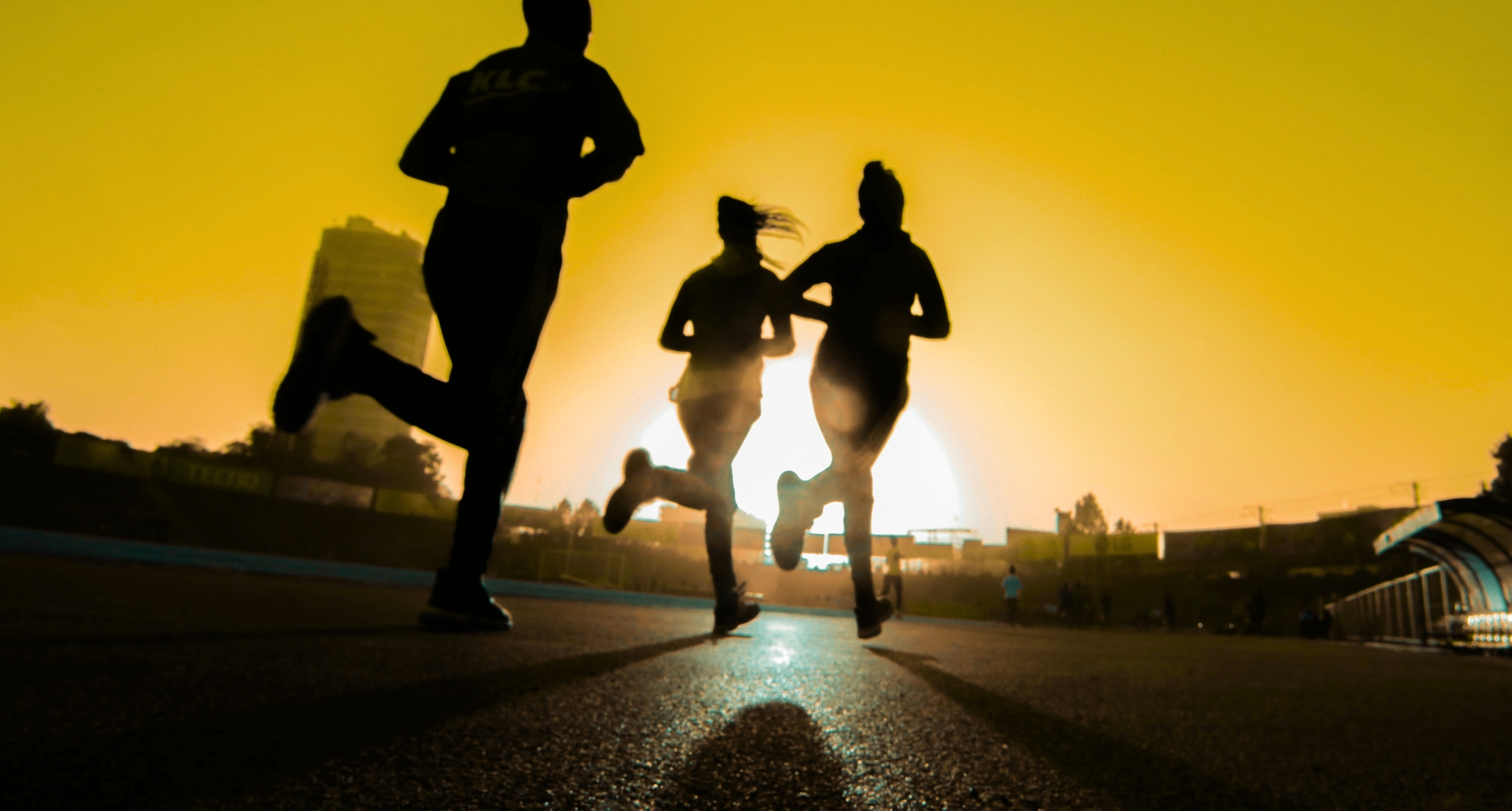
PORTLAND, OR — Parks officials are encouraging runners to clearly and confidently announce “on your left” when passing pedestrians, after what they describe as a rise in “minor but emotionally significant” trail collisions.
The reminder follows several reported incidents along popular routes including Waterfront Park and the Springwater Corridor.
“Most of these situations are low-impact physically,” a parks spokesperson said. “But the emotional ripple can be considerable.”
The Confidence Factor
Officials say the issue isn’t the phrase itself — it’s the delivery.
“When ‘on your left’ is whispered, mumbled, or phrased as a question, it creates confusion,” the spokesperson explained. “Confidence improves clarity.”
Runners admit that tone matters.
“I used to say it gently,” one local jogger shared. “But people would panic, freeze, or drift left. Now I project.”
Another runner described the ideal announcement as “firm but compassionate.”
Minor Collisions, Major Processing
Residents report that when communication is unclear, it can lead to what one park regular called “startled choreography.”
“You hear something, you move instinctively, and suddenly you’re apologizing to three strangers,” a walker said.
While injuries are rare, awkward apologies and lingering embarrassment have reportedly increased.
“I replay it later,” one resident admitted. “Did I step left? Did they say right? Was I the problem?”
Shared Trail Etiquette
Parks officials emphasize that Portland’s trail culture depends on mutual awareness and direct communication.
“Clear language supports shared space,” the spokesperson stated. “It reduces uncertainty.”
Signage reinforcing trail etiquette may be installed in high-traffic areas later this season.
Community Adaptation
In the meantime, runners are practicing projection techniques, while walkers say they’re working on staying predictable.
“I appreciate a strong ‘on your left,’” one resident said. “It tells me you believe in yourself.”
Officials concluded that while minor collisions may be inevitable in a busy city, clearer communication can help preserve both safety and emotional equilibrium.