

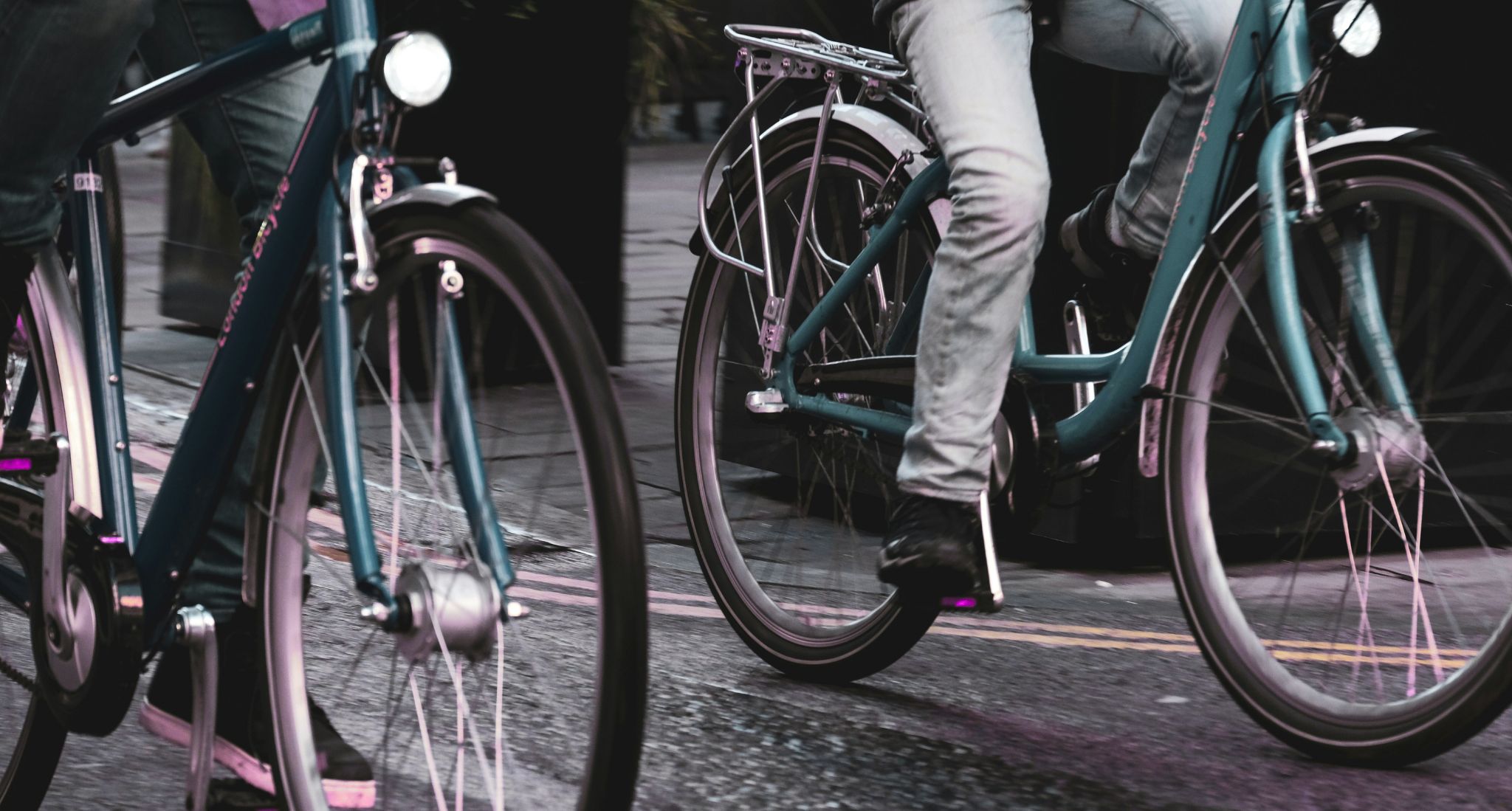
PORTLAND, OR — In a statement released Monday, city transportation officials confirmed that there is technically still room for cars on several major streets, despite the growing presence of bike lanes, buffer zones, planters, reflective posts, and what one official described as “a strong visual preference for bicycles.”
The announcement follows months of confusion among drivers navigating corridors like SE Hawthorne Boulevard, where some say the roadway now feels “more like a suggestion than a lane.”
“I just assumed the car part was phased out,” said one driver, slowly inching forward while carefully avoiding a series of flexible plastic bollards. “At this point I feel like I’m visiting the street, not using it.”
Officials: “Cars Remain A Concept We Support”
City officials emphasized that automobiles are still considered a valid, if slightly theoretical, mode of transportation.
“Vehicles are absolutely allowed,” a transportation spokesperson said. “In most cases, there remains a narrow but meaningful strip of pavement where a car may exist.”
Officials added that these spaces are often located between bike lanes, near bike lanes, or occasionally inside what appears to be a bike lane but is actually a different bike lane.
Cyclists Encourage Drivers to Stay Calm
Local cyclists say the system works well as long as everyone remains aware.
“The lanes are clearly marked,” said one rider near Burnside Bridge. “There’s the bike lane, the protected bike lane, the advisory bike lane, and the area where cars go if they’re emotionally prepared.”
Cyclists added that drivers should feel comfortable using the roadway as long as they make eye contact, signal their intentions, and accept that bikes may be traveling in every direction at once.
Drivers Report “Narrowing Sense of Purpose”
Some drivers say the evolving layout has created a philosophical shift in how they view their role on the road.
“I used to think I was the main user of the street,” one commuter admitted. “Now I feel like I’ve been granted temporary access.”
Others say they’ve adapted.
“You just kind of flow with it,” said another driver. “If you see paint, you avoid it. If you don’t see paint, you still avoid it.”
City Encourages Shared Understanding
Officials say the goal is to create a shared environment where all forms of transportation can coexist.
“This is about balance,” the spokesperson said. “Cars, bikes, pedestrians — everyone has a place.”
When asked to clarify where exactly that place is for cars, the spokesperson paused briefly before responding:
“Generally speaking, somewhere between the bike lanes.”
Future Adjustments Expected
City planners confirmed that additional improvements are being considered, including expanded bike infrastructure and new visual cues to help drivers identify remaining car space.
“At press time,” officials noted, “engineers were still able to confirm the presence of at least one fully intact car lane.”