

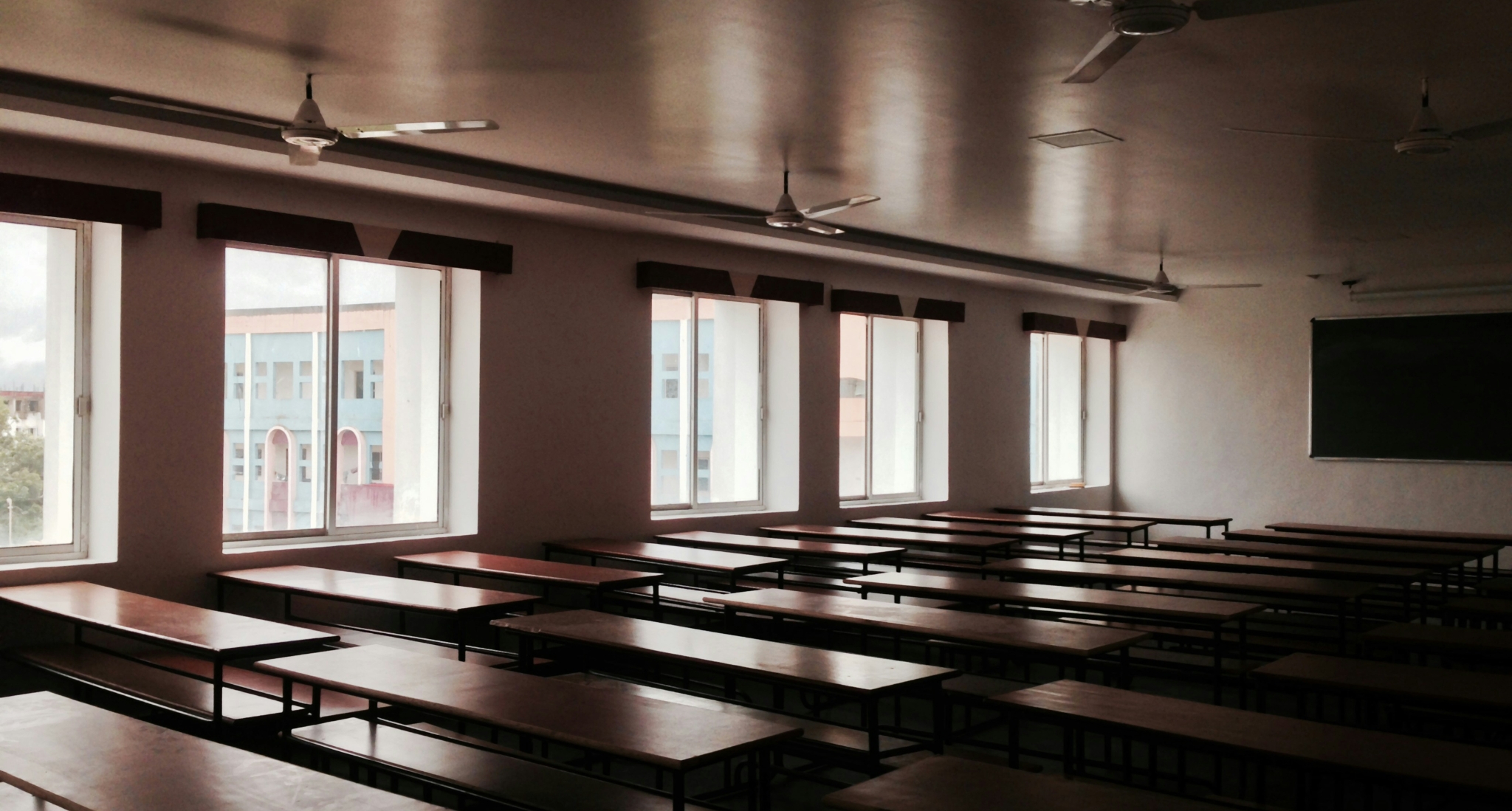
SALEM, OR — State lawmakers this week were formally asked to prioritize classroom attendance data after Oregon once again ranked near the bottom nationally for actual time students physically spend in school, a statistic officials insist is “only one narrow interpretation of learning.”
According to education leaders, while Oregon students may not always be present in classrooms, they are still “emotionally attending,” “conceptually enrolled,” and “generally aware that school exists somewhere nearby.”
“We need to stop obsessing over whether students are physically in class,” said one state official while attending the meeting remotely from a parked Subaru. “Attendance is more of a vibe than a location.”
Redefining ‘Present’
Under a proposed framework, students would be considered present if they meet any of the following criteria:
- Thought about school at least once that day
- Walked past a school building
- Logged into Google Classroom accidentally
- Felt mild academic anxiety
Education analysts clarified that Oregon’s low classroom time ranking does not reflect poor engagement, but rather a “progressive approach to learning that emphasizes absence as a form of self-care.”
“Some states are stuck in the outdated mindset that learning requires chairs,” said a spokesperson for the Oregon Department of Education. “We’re experimenting with learning that happens spiritually, asynchronously, and occasionally.”
Teachers Asked To ‘Assume Presence’
Several school districts have already begun pilot programs encouraging teachers to mark students present unless there is “strong evidence they were doing something else.”
“It really cuts down on paperwork,” said one Portland-area teacher. “If I don’t see them, I just assume they’re learning quietly somewhere.”
Teachers are also being encouraged to replace roll call with a moment of silence during which students may or may not be acknowledged.
Lawmakers Seek Better Data, Not More Students
Lawmakers emphasized that the goal is not necessarily to increase classroom attendance, but to improve how attendance is measured.
“We don’t need kids in seats,” said one legislator. “We need better spreadsheets.”
Proposed solutions include:
- Attendance dashboards that refresh hourly
- Graphs that explain why numbers look bad
- A task force to study why the task force numbers don’t improve
Officials stressed that Oregon remains committed to education, even if education itself remains loosely scheduled.
Students Respond Positively
Students interviewed reacted enthusiastically to the news.
“I feel seen,” said one high school junior, speaking from a coffee shop at 10:47 a.m. “Not judged. Just gently counted.”
Others expressed relief that simply knowing school exists might soon qualify as participation.
Looking Ahead
Lawmakers plan to reconvene next month to discuss whether attendance should be tracked daily, weekly, or “when convenient,” with several members advocating for an honor system based on good intentions.
“As long as we’re collecting data about attendance,” said one official, “we’re doing something about attendance.”
At press time, Oregon confirmed it had moved from 49th to 49th in classroom time rankings, calling the result “statistically consistent and emotionally encouraging.”