

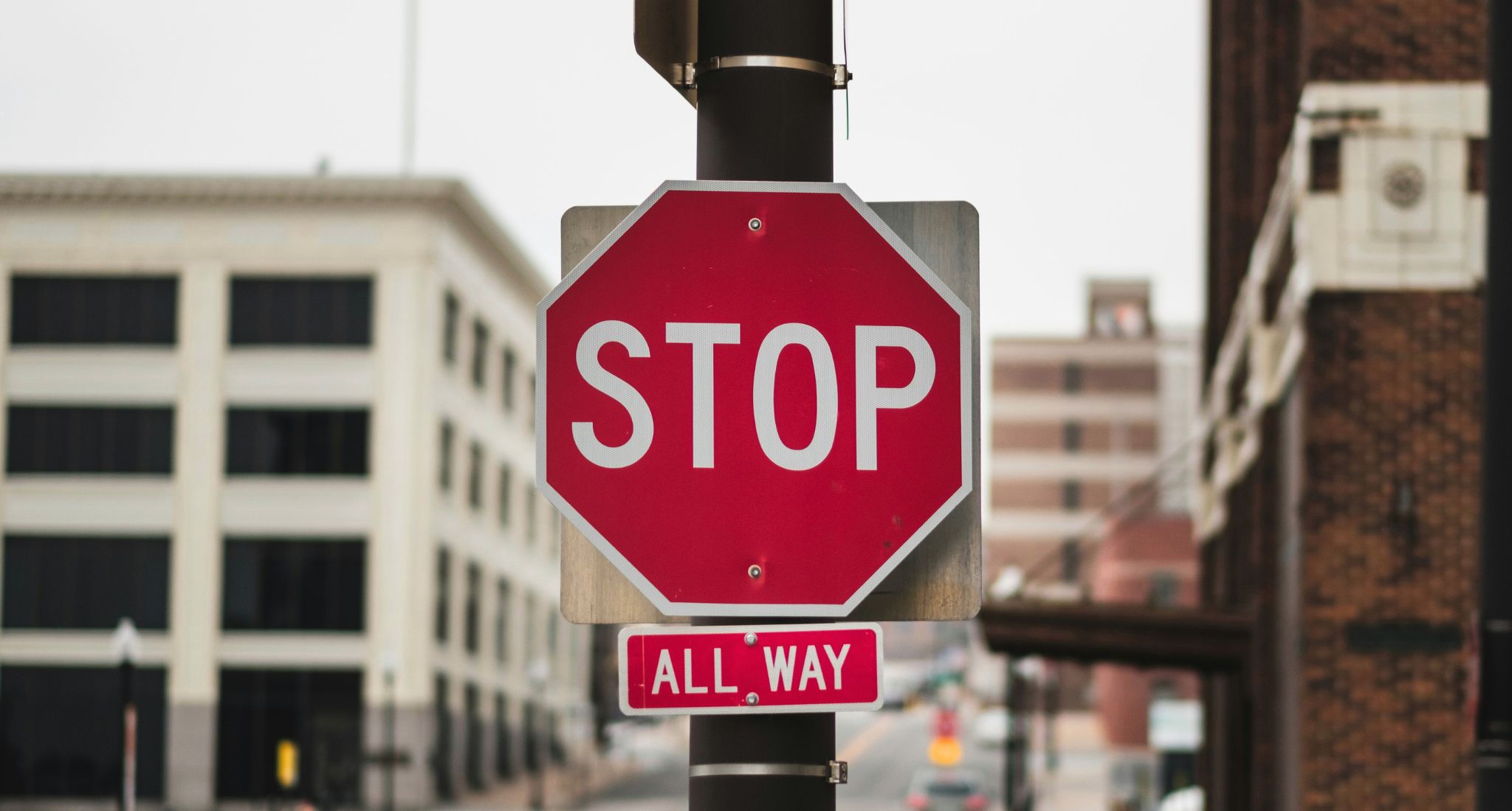
PORTLAND, OR — Local drivers confirmed this week that four-way stops across Portland have quietly evolved from traffic control mechanisms into “low-stakes social gatherings,” where the primary goal is no longer movement, but mutual politeness.
According to a recent informal survey, most drivers now approach intersections not with urgency, but with a willingness to:
- acknowledge others
- exchange gestures
- and collectively delay progress
🛑 The Rise of Shared Decision-Making
Transportation observers note that Portland drivers tend to arrive at intersections at the exact same time, creating what experts describe as:
“a moment of equal responsibility and zero commitment.”
In these situations, drivers typically:
- signal others to go first
- reconsider their own turn
- repeat the process
👉 Related experience: 4-Way Stop Negotiation Center
👋 Gesture-Based Communication
Without speaking, drivers rely on a system of gestures that includes:
- the polite hand wave
- the hesitant nod
- the “no, you go” motion
However, interpretations vary.
Some drivers report:
- waving too early
- waving at the wrong person
- waving multiple times to different vehicles
👉 Related experience: Eye Contact Interpretation Lab
🤐 Silence as a Shared Agreement
Despite the complexity of the interaction, drivers rarely communicate verbally.
Instead, they participate in what researchers call:
“a silent negotiation with unclear terms.”
👉 Related experience: Portland Small Talk Avoidance Center
Experts believe this aligns with broader social patterns across the city.
🚶 Unexpected Variables
The situation becomes more complex when additional elements are introduced.
These may include:
- pedestrians entering the crosswalk
- cyclists appearing without warning
- one driver deciding to follow the rules
Each variable resets the interaction, often extending the experience.
🧠 The “Just Go” Dilemma
While traffic laws provide a clear order of movement, many drivers report difficulty acting on it.
Common thoughts include:
- “Was that my turn?”
- “Should I wait?”
- “Did I just interrupt someone else’s hesitation?”
As a result, some intersections remain inactive longer than necessary.
🗣️ Driver Reactions
Residents describe the experience as:
- “polite, but inefficient”
- “confusing, but respectful”
- “kind of nice, actually”
Some admit they now expect these interactions and factor them into their travel time.
🌆 A Reflection of City Culture
Analysts suggest that four-way stops in Portland reflect broader values:
- consideration
- patience
- and a reluctance to assert priority
👉 For more insights into daily life challenges, visit
Portland Lifestyle Problems
🧾 Final Thoughts
As driving behavior continues to evolve, experts believe that four-way stops will remain one of the city’s most reliable places for brief, unspoken human interaction.
As one driver explained while motioning to three other cars:
“We’ll figure it out.”