

PORTLAND, OR — Citing years of “low-grade social fatigue,” the City of Portland has announced a pilot program that will introduce optional eye contact lanes on select sidewalks, allowing residents to choose how much human acknowledgment they can handle while walking.
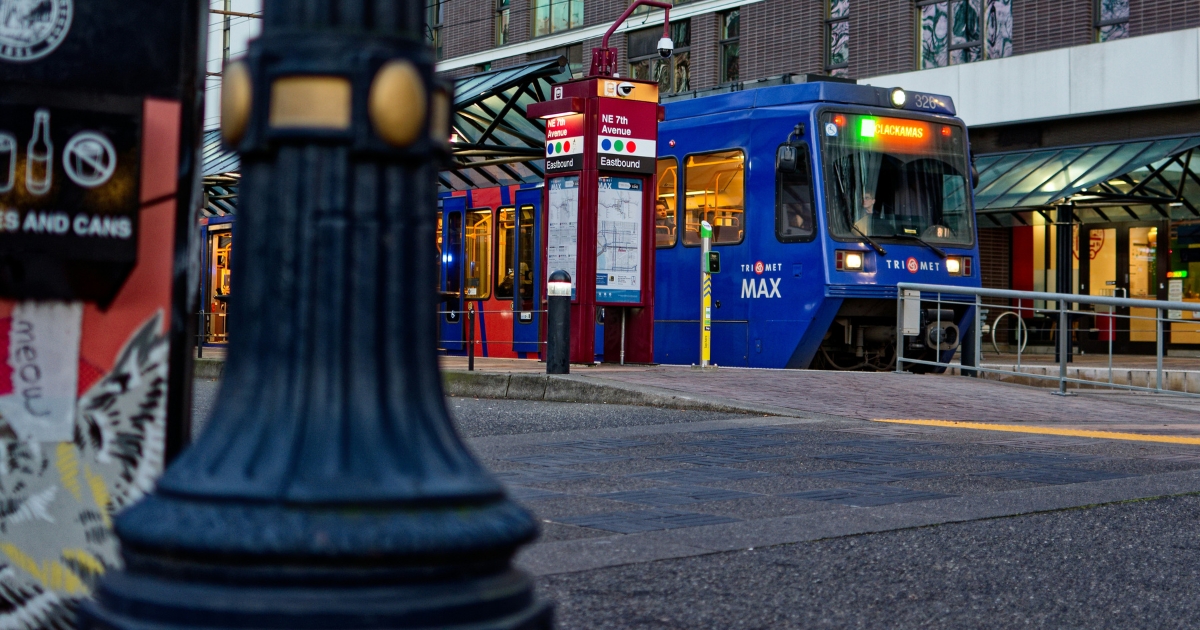
The initiative, rolled out quietly this week in parts of SE Division, Alberta Arts District, and near several TriMet stops, divides sidewalks into three clearly marked zones: Brief Eye Contact, No Eye Contact, and Intentional Avoidance.
City officials say the program is designed to reduce anxiety, awkward nods, and the prolonged uncertainty of whether a smile is expected.
A Small Change With Big Emotional Impact
According to the Portland Bureau of Transportation, the idea emerged after a series of community listening sessions revealed a shared concern among residents: walking past strangers had become “emotionally inefficient.”
“People told us they were tired,” said a city planner involved in the pilot. “Not physically—socially.”
Research cited in the proposal noted that Portlanders spend an average of 2.4 seconds deciding where to look while passing someone on the sidewalk, often defaulting to a half-smile that satisfies no one.
“This is about clarity,” the planner added. “And consent.”
How the Lanes Work
Sidewalks participating in the program are marked with subtle symbols painted near the curb.
- Brief Eye Contact Lane
For residents open to a quick glance, nod, or polite acknowledgment without follow-up. - No Eye Contact Lane
Allows forward-facing walking with neutral expressions and no social obligation. - Intentional Avoidance Lane
Encourages focused looking at phones, storefronts, or the middle distance with purpose.
Signs remind users that all lanes are optional and that switching lanes mid-block is allowed, though “strongly discouraged without signaling.”
Residents Respond With Measured Relief
Early reactions have been cautiously positive.
“I didn’t realize how much stress eye contact caused me,” said a resident walking her dog in Hawthorne. “Now I just choose my lane and go.”
Others praised the city for addressing what they described as “the constant micro-negotiations of politeness.”
“I’m not unfriendly,” one commuter explained. “I’m just already processing a lot.”
Several residents noted that the lanes made walking feel more intentional, even calming.
“It’s like a boundary, but painted,” said another.
Concerns About Over-Structuring Interaction
Not everyone is convinced.
Some critics worry the lanes could discourage spontaneous connection.
“What if I accidentally make a friend?” asked one passerby, standing uncertainly between zones.
City officials responded by emphasizing that the program does not prohibit interaction, but rather removes expectation.
“If connection happens, great,” said a spokesperson. “But no one should feel obligated to perform friendliness on a Tuesday.”
The city also clarified that lingering, staring, or prolonged smiling remains discouraged in all lanes.
Neighborhood-Specific Adjustments
Acknowledging Portland’s varied social norms, the city adjusted lane recommendations by neighborhood.
- Downtown: Higher emphasis on No Eye Contact
- SE Portland: Balanced distribution across all lanes
- Near cafés and bookstores: Brief Eye Contact encouraged during daylight hours
- Rainy conditions: Intentional Avoidance prioritized
A small footnote notes that umbrellas may complicate compliance.
Enforcement Through Social Norms
There are no fines or formal penalties for misuse. Instead, the city expects residents to self-regulate.
“If someone is aggressively smiling in the No Eye Contact Lane, that’s a community issue,” a city official said. “Not a ticketable offense.”
Volunteers known as Sidewalk Ambassadors may appear during the pilot phase to answer questions and gently redirect confused pedestrians.
Their training emphasizes calm gestures and non-judgmental posture.
A Very Portland Experiment
Urban observers say the program reflects Portland’s ongoing effort to balance individuality with shared space.
“This city is deeply considerate,” said a local sociologist. “Sometimes to the point of paralysis.”
By formalizing eye contact preferences, the city hopes to make public space more navigable for everyone, especially those navigating anxiety, introversion, or simple exhaustion.
The pilot will run for 90 days, after which residents will be invited to provide feedback through an online survey described as “optional but appreciated.”
Early Signs of Success
On opening day, sidewalks remained calm. Pedestrians walked with purpose. Accidental eye contact dropped noticeably.
One resident summed it up while staying firmly in the No Eye Contact Lane:
“I feel seen,” they said. “But not looked at.”
City officials say expansion is possible if the program proves effective, though no timeline has been announced.
For now, Portlanders are adjusting, choosing lanes thoughtfully, and walking forward—eyes wherever they feel most comfortable.