

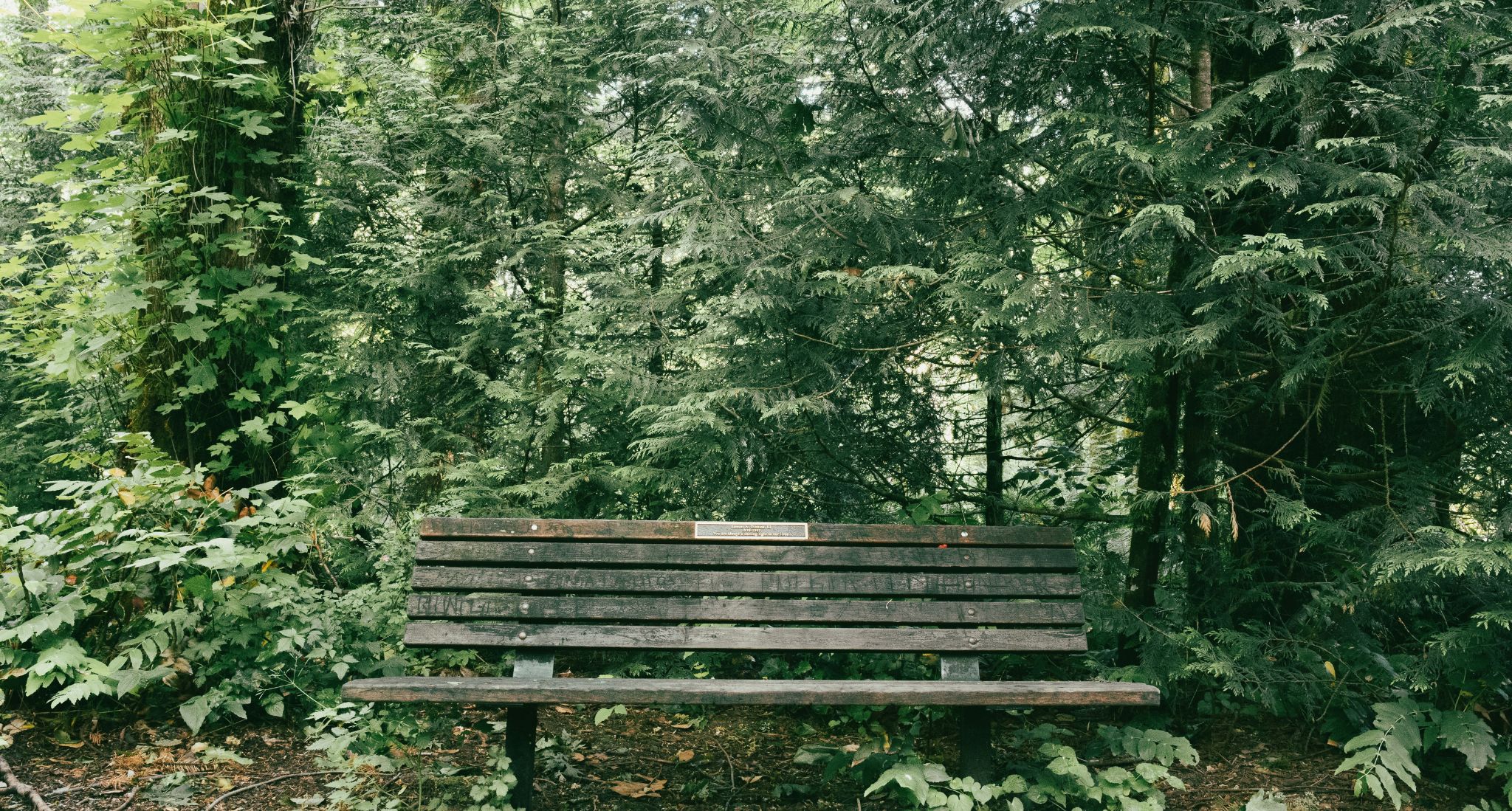
Portland Parks Struggle to Keep Up With Surplus Peace, Locals Now Report Existential Harmony Overload
PORTLAND, OR — In a stunning turnaround for local wellbeing metrics, a trio of Oregon urban parks — Alderwood State Wayside, Dawson Park, and Gateway Green — have been named among the nation’s most “restorative urban getaways,” prompting citywide reports of uncomfortably high levels of calm, unexpected mindfulness, and mass confusion about whether this is “supposed to happen.”
Locals gathered under the mossy branches of Dawson Park this weekend to officially celebrate “Too Much Chill Day,” a grassroots holiday involving interpretive tree-hugging and collectively questioning why they feel so… relaxed.
“I haven’t felt stressed since July,” says one park visitor
“I walked into Alderwood State Wayside expecting a quick nature break,” said longtime Portland resident Taylor M., “and now I’m pretty sure I’ve reached enlightenment instead of work. My boss is upset.”
At Alderwood, visitors reported seeing Douglas firs, Pacific dogwoods, and “a mysterious sense of inner peace no one ordered.”
“I tried to leave,” said another visitor, “but the trails just… brought me back to exactly the spot I didn’t know I belonged.”
Dawson Park — Where the Soul Takes Its Time Off
Dawson Park, a historic 2-acre urban green space cherished for generations, unexpectedly became the official chill zone of North Portland.
“We just added a playground and picnic tables,” explained one park volunteer, “and suddenly we’re central to national relaxation statistics.”
Nearby residents confirm that the park’s soothing aura has spilled over into their apartments, leading to unusual phenomena such as:
- Meditation during rush hour
- Porch-sitting as a competitive hobby
- Deep contemplation about snack choices precisely at 3 p.m.
Gateway Green: Chaos For Bikers, But Still Restorative
Notably, Gateway Green, known primarily as an off-road cycling park, also made the “restorative” list despite the 25-acre site’s frequent high-speed bike loops and expert level “terrain excitement.”
“I came for the adrenaline,” said one cyclist, “but left with this inexplicable feeling of tranquillity and a weird urge to journal.”
Park visitors say the combination of rolling hills, twisting trails, and unexpected bird sounds has resulted in what therapists are calling “focused serenity with a side of wheel-burn-induced humility.”
City Officials Unsure What To Do With All This Zen
City leaders initially celebrated the parks’ recognition — until residents began reporting too much peace.
“We wanted restorative getaways,” said a city spokesperson, “but we didn’t know Portland would interpret that as ‘remove all existential tension.’”
Reports have since surfaced of:
- Workers refusing to attend Zoom meetings because they’d rather listen to leaves rustling
- Cafés offering “park-inspired calm brews”
- Commuters describing rush hour as “too quick, surprisingly stressful”
One urban planner commented:
“We asked for peace. Not full spiritual reboot.”
The Future of City Calm
The parks department has suggested adding structured discomfort spaces, including:
- Mildly crowded picnic areas
- Slightly confusing trail markers
- Micro-traffic noise installations
- Optional existential puzzle benches
Officials stress these additions are “only theoretical and probably unnecessary.”