

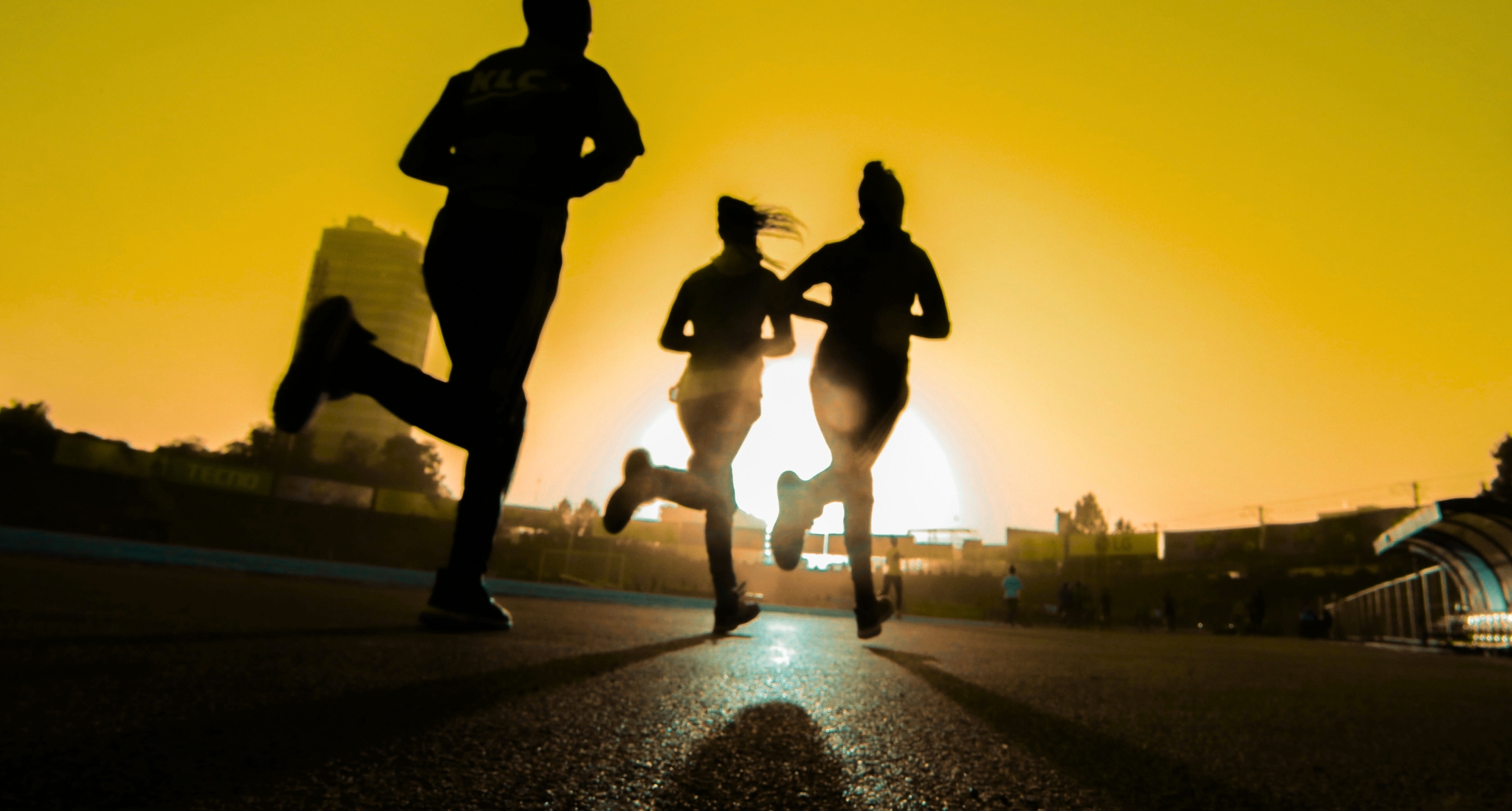
Joggers cite bikes, scooters, dogs, and existential reflection.
PORTLAND, OR — Local runners report that the city’s popular waterfront path has evolved from a simple jogging route into a multi-layered navigation challenge, requiring real-time decision-making, spatial awareness, and occasional emotional processing.
The situation is especially noticeable along Tom McCall Waterfront Park near Steel Bridge, where runners must continuously adjust their path to account for cyclists, scooters, dogs, and thoughts that arrive uninvited.
“It’s not just running anymore,” one jogger said. “It’s strategy.”
Portland Running Routes Becoming “Interactive”
Runners say the waterfront path now functions less like a trail and more like a dynamic environment.
“You’re constantly scanning,” one runner explained. “Left, right, ahead, internally.”
They described common obstacles encountered during a typical run:
- bikes approaching faster than expected
- scooters moving unpredictably
- dogs changing direction mid-decision
- sudden personal realizations
Joggers Develop Advanced Techniques
Experienced runners say they’ve adapted by developing specific navigation strategies.
“You learn to read movement patterns,” one runner said. “And anticipate outcomes.”
Others rely on instinct.
“At a certain point, you stop thinking,” another explained. “And then start thinking again about something else entirely.”
Cyclists and Pedestrians Also Participating
Runners note that all groups contribute to the shared experience.
“It’s a collective system,” one jogger said. “Everyone’s moving, but not always in the same way.”
Some report brief moments of coordination.
“You make eye contact, adjust slightly, and continue,” another runner added. “It works most of the time.”
Experts Call It “Urban Movement Ecology”
Observers say the waterfront path represents a complex interaction of movement types.
“It’s not chaotic,” one analyst explained. “It’s layered.”
They added that successful navigation depends on awareness.
“You have to understand both the environment and yourself.”
Runners Acknowledge Mental Component
Many joggers say the experience is as much mental as physical.
“You start with a route,” one runner said. “Then the route changes you.”
Others describe moments of reflection triggered mid-run.
“I avoided a scooter and immediately reconsidered my life choices,” another admitted.
Situation Remains Fluid
At press time, a runner near the Steel Bridge adjusted course to avoid a cyclist, a dog, and a thought, later confirming only two of those had been visible.