

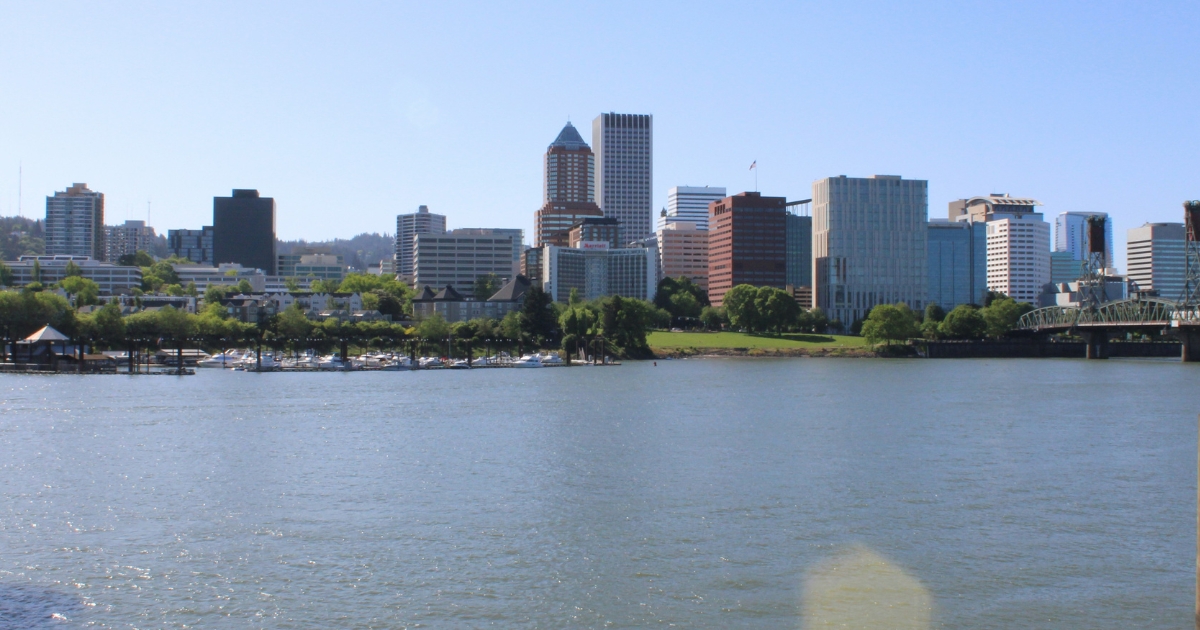
PORTLAND, OR — Trying to find an affordable place to live in Portland in 2026 can feel a little like participating in a city-wide scavenger hunt where the prize is “a one-bedroom apartment that doesn’t emotionally damage you.”
Portland is no longer the ultra-cheap city people remember from 15 years ago.
But compared to places like Seattle, San Francisco, or Los Angeles, there are still neighborhoods where rent is relatively manageable — especially if your expectations are realistic and you understand that “affordable” now mostly means:
“slightly less financially alarming.”
So if you’re moving to Portland or trying to lower your rent without relocating to a cabin three hours away, here are some of the cheapest areas to live in Portland in 2026.
What Counts as “Affordable” in Portland Now?
Before we start, it’s important to recalibrate expectations.
In 2026:
- “cheap” in Portland usually means $1,100–$1,500 for a studio or small one-bedroom
- “great deal” means the apartment doesn’t also come with mysterious plumbing sounds
- and “luxury apartment” often means there’s a shared rooftop fire pit nobody actually uses
With that in mind, here are the neighborhoods people still look at when trying to save money.
1. East Portland
East Portland remains one of the more affordable parts of the city overall.
You’ll generally find:
- lower rent
- larger apartment complexes
- more parking
- and fewer people describing coffee with wine vocabulary
The tradeoff is that some areas feel farther from what people imagine when they think of “classic Portland.”
But financially?
East Portland is still one of the strongest value options.
2. Lents
Lents has changed a lot over the years.
Once ignored by much of the city, the neighborhood has gradually become more attractive to renters looking for:
- lower prices
- better access to parks
- and slightly more breathing room
It still feels rough around the edges in places, but many residents describe it as one of the few remaining areas where Portland still feels somewhat attainable.
3. St. Johns
St. Johns is one of the more interesting affordable-ish options because it still has:
- personality
- walkability
- bars
- local businesses
- and actual neighborhood identity
People who live there tend to become extremely emotionally attached to it very quickly.
The downside:
👉 it feels slightly disconnected from the rest of Portland sometimes.
The upside:
👉 many residents consider that part a feature.
4. Outer Southeast Portland
Areas farther out in Southeast Portland often offer:
- lower rent
- older apartments
- quieter streets
- and better odds of finding parking without entering a psychological battle
These neighborhoods may not show up on every “cool Portland” list, but they tend to work well for people prioritizing affordability over aesthetic proximity to artisanal bakeries.
5. Gresham (Technically Not Portland… But Spiritually Included)
At some point during apartment hunting, many people quietly expand their search radius and end up looking at Gresham.
And honestly?
A lot of Portland residents already treat Gresham as:
“Portland with slightly more parking.”
Rent is often lower, apartments are larger, and daily life can feel less financially compressed.
The downside is commute time — especially if your job is closer to downtown Portland.
The Hidden Cost of “Cool Neighborhoods”
One thing many newcomers discover is that Portland’s most hyped neighborhoods often come with invisible financial pressure.
Living near:
- trendy cafes
- breweries
- restaurants
- and boutique stores
sounds great until your weekly budget mysteriously transforms into:
coffee, ramen, vintage jackets, survival.
Cheaper neighborhoods may lack some of that atmosphere —
but they also reduce the number of opportunities to accidentally spend $38 while “just walking around.”
So Where Should You Actually Live?
Honestly, it depends on what matters most to you.
If you want:
- lower rent
- parking
- more space
you’ll probably end up farther east.
If you want:
- walkability
- nightlife
- Portland “vibes”
you’ll pay more for it.
Portland in 2026 is basically a constant negotiation between:
affordability and proximity to oat milk.
The Bottom Line
Affordable areas in Portland still exist —
they just look different than they used to.
The city remains expensive compared to much of the U.S., but neighborhoods like:
- East Portland
- Lents
- St. Johns
- and parts of outer Southeast
still offer relatively lower-cost options for renters trying to make Portland work financially.
You may not get the full “movie version” of Portland life.
But you also may not need a second job to afford groceries.
Which, increasingly, feels like a fair trade.