

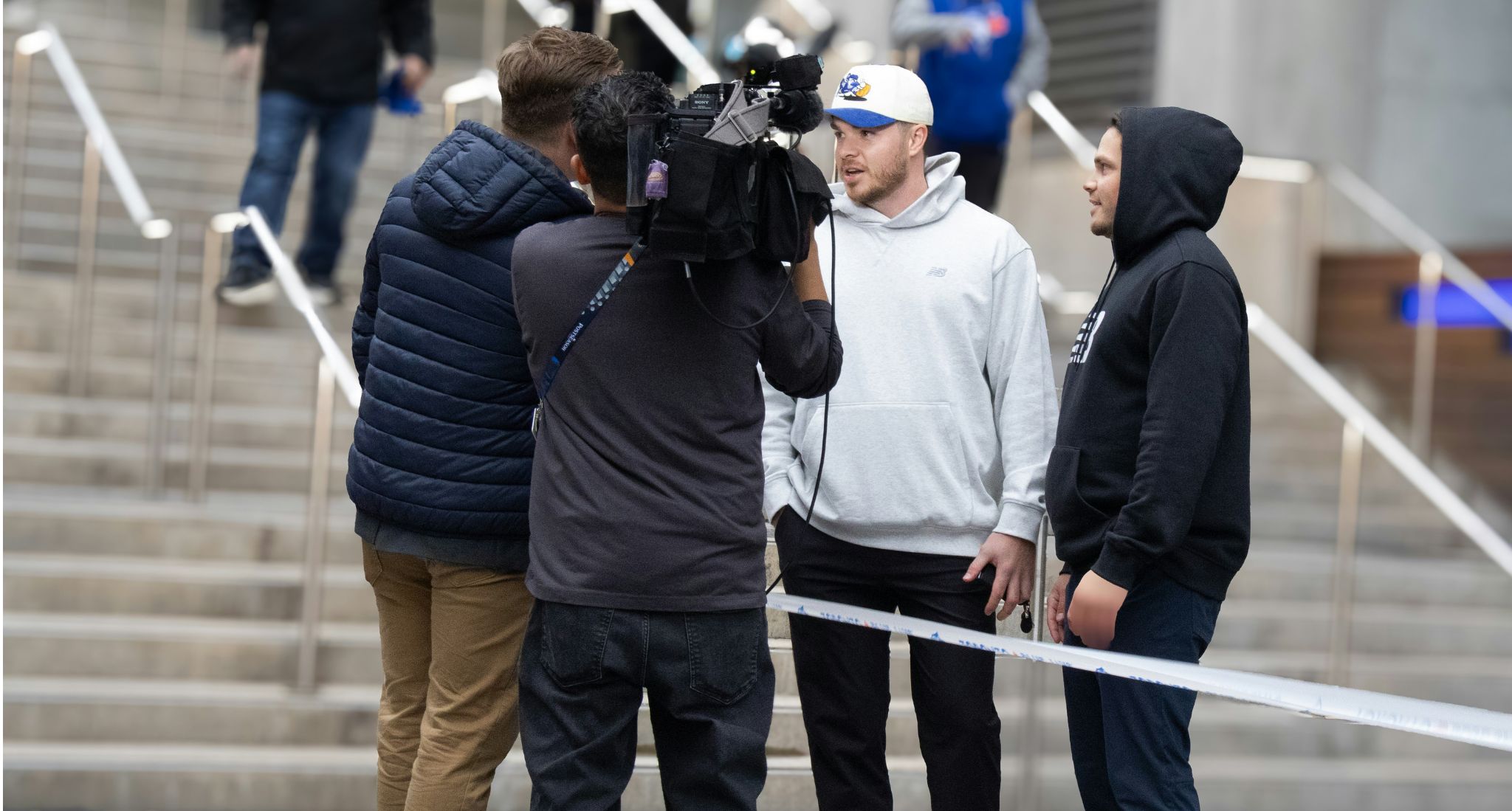
PORTLAND, OR — After news of a proposed monthly street fee began circulating, a local correspondent walked through downtown Portland to see how people were reacting.
The informal survey took place along Hoyt, Everett, and Glisan, where residents, commuters, and people actively avoiding eye contact shared a mix of confusion, acceptance, and very specific long-term fears.
“this feels like chapter one of something”
Daniel K., standing on Glisan and looking at the pavement like it had personally betrayed him, said:
“i’m not even mad about the 10 bucks. it’s the feeling that this is how it starts”
He paused for a second.
“first streets. then sidewalks. then air. at some point you’re subscribing to breathing”
Hoyt Street and early signs of philosophical fatigue
On Hoyt, a woman named Erica L. said she had already adjusted mentally.
“i’ve accepted the street fee. i just want to know the roadmap”
She clarified:
“like are we doing rain next? because if they meter rain in this city we’re all bankrupt instantly”
She then added, almost casually:
“honestly i wouldn’t even be surprised”
Everett Street and the return of childhood literature as policy framework
One man, who only introduced himself as Victor, referenced a very specific childhood memory.
“this is literally that story… what was it… Chipollino?”
He nodded like he had just solved something.
“yeah. where they start taxing everything. onions, air, whatever. it didn’t feel realistic when i was a kid. now it feels like early planning documents”
Nobody nearby disagreed.
“we should just go all in at this point”
Not all reactions were concerned.
Some residents saw an opportunity to expand the system in ways that felt… structurally questionable.
Mark D., leaning against a parking meter on Everett, offered what he described as a “fairness adjustment”:
“if we’re charging for streets, people who live on the streets should technically be premium users”
He continued:
“i mean they’re there 24/7. that’s like full access. if anything they should be paying more”
There was a long pause after he said it.
Someone nearby quietly responded:
“that doesn’t feel like the direction we should go with this”
Mark shrugged.
“i’m just saying, if we’re making it weird, let’s make it consistent”
Glisan Street and quiet acceptance
Further down Glisan, a cyclist named Nina said the idea didn’t even feel surprising anymore.
“everything kind of becomes a fee eventually”
She adjusted her helmet.
“i just want to know when trees get included. because i’ve been looking at those for free my whole life”
The underlying mood
Across all three streets, the reactions followed a similar pattern.
Nobody seemed shocked by the fee itself.
What people kept circling back to was the feeling that it might not stop there.
One person summarized it in a way that stayed with the correspondent:
“it’s not about the money. it’s about realizing nothing was ever included”
Ending
The city has not proposed fees on air, rain, or trees.
At least not yet.
For now, the focus remains on streets.
But after spending an afternoon on Hoyt, Everett, and Glisan, one thing feels clear:
People aren’t reacting to what the fee is.
They’re reacting to what it might quietly become.