

PORTLAND, OR — A growing number of drivers across Portland say something about the city’s traffic signals feels noticeably different in recent weeks — and not in a good way.
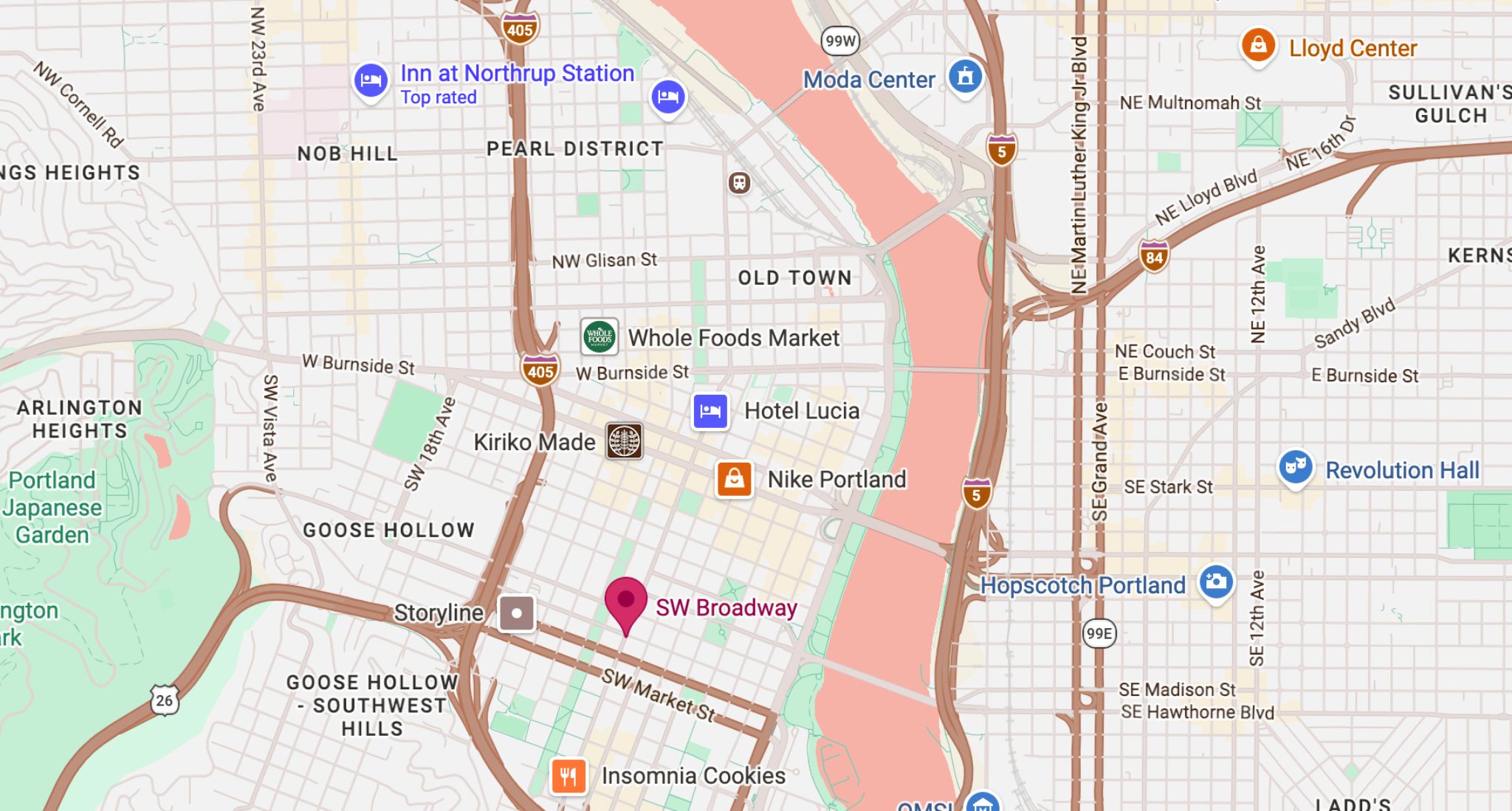
From Southeast Division Street to major corridors like Burnside and MLK, commuters report longer-than-usual red lights, inconsistent timing, and a strange pattern many describe the same way: the more impatient you feel, the longer the light seems to stay red.
“It sounds crazy when you say it out loud, but it really feels like the light knows when you’re in a hurry,” said Mark Ellison, a Northeast Portland resident who drives into downtown five days a week. “I’ll be sitting there, already late for work, watching the cross traffic clear, and it just won’t change. The moment I stop paying attention, it turns green.”
Similar experiences are being shared across local online forums, where drivers have begun comparing notes about specific intersections. Southeast Powell, parts of Division, and several downtown junctions have been mentioned repeatedly as locations where wait times feel noticeably longer than usual.
“I thought it was just bad luck at first,” said another commuter who drives daily through Southeast Portland. “But after a few weeks, you start noticing patterns. It almost feels like the system reacts to you — not just traffic.”
Related News:
Study Finds Searching For Parking In Downtown Portland Triggers Unexpected Personal Growth
Quiet talk of “adaptive traffic systems”
The City of Portland has not formally announced any major changes to signal timing in recent weeks. However, transportation observers point to ongoing discussions around “adaptive traffic calming systems” — a category of technology that uses real-time data to adjust signal behavior.
These systems, already tested in several U.S. cities, rely on sensors and cameras to monitor traffic flow, pedestrian activity, and congestion levels. The goal is typically to reduce bottlenecks and improve safety.
What makes Portland drivers uneasy is the perception that something more subtle may be happening.
Some residents speculate that newer systems could be analyzing driving patterns — such as rapid acceleration, sudden stops, or repeated lane changes — and adjusting signal timing accordingly. Others have gone further, suggesting that cameras might be detecting driver behavior inside the vehicle.
There is no public evidence confirming those claims.
A transportation spokesperson familiar with ongoing planning efforts said that any pilot programs would focus strictly on traffic efficiency and safety.
“There are always small-scale tests happening in a city this size,” the source said. “But nothing that would target individual drivers or respond to emotions.”
Perception vs reality
Still, perception can spread quickly — especially when enough people share similar experiences.
Local Reddit threads and neighborhood groups have seen a steady increase in posts about “longer lights” and “strange timing.” While some commenters dismiss the idea as coincidence or confirmation bias, others insist something has changed.
Traffic engineers note that even small adjustments to signal timing — sometimes just a few seconds — can create the impression of significant delays, particularly during peak hours.
“When you’re already stressed or running late, those extra seconds feel amplified,” one local traffic consultant said. “It can absolutely feel intentional, even if it’s not.”
A familiar Portland frustration
Traffic complaints are nothing new in Portland, where ongoing construction, population growth, and changing commuting patterns have made driving less predictable in recent years.
But what’s different now is the tone of the conversation.
Instead of simply blaming congestion or poor timing, more drivers are questioning whether the system itself is becoming less predictable — or more responsive in ways they don’t fully understand.
“I’ve lived here long enough to know how these lights usually behave,” said Ellison. “This just feels different.”
Waiting at the red light
For now, city officials have not confirmed any new traffic signal program that would explain the pattern drivers are reporting.
That leaves Portland commuters in a familiar position: sitting at a red light, watching an empty intersection, and wondering why it hasn’t changed yet.
Whether it’s a coincidence, a technical adjustment, or something more complex, one thing is clear —
More drivers are starting to notice.